|
|
 |
| |
| |
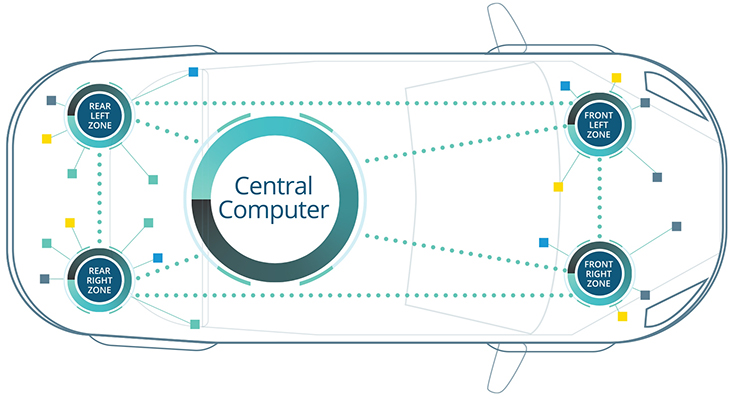 |
| The case for vehicle 48 V power systems |
| Moving from 12 to 48 V systems will reduce vehicle weight through thinner, lighter cables. Tradeoffs include more stringent safety requirements. As vehicles integrate advanced features such as ADAS, V2X communications, and electric turbocharging, the limitations of traditional 12 V systems become increasingly evident. |
| Read more » |
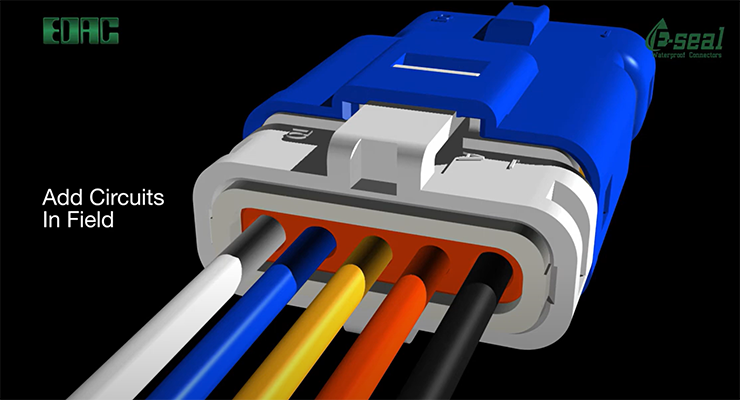 |
| What types of connectors are used in medical devices? |
| This article highlights various medical connectors, such as implantable devices, card-edge solutions, and board-level interconnects. It also explores header pins, in-line options for board-to-board and wire-to-board integration, and spring-loaded connectors for wearable and portable medical devices. |
| Read more » |
|
|
| |
|
|
|
|
|
|
|
| |
| |
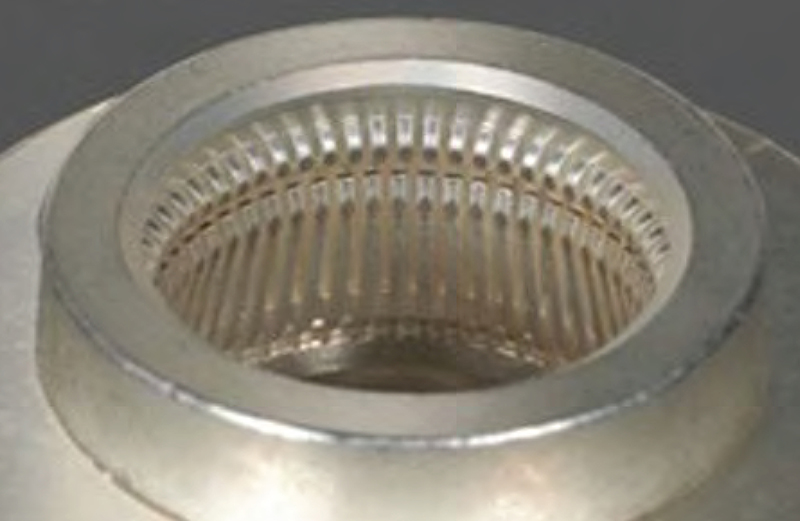 |
| What are ZIF and LIF connectors and where are they used? |
| How low contact resistance is achieved can be a key differentiator between zero insertion force (ZIF) and low insertion force (LIF) connectors. Many LIF connectors have a low contact resistance of about 30 mΩ when mated without needing a locking mechanism. ZIF connectors generally require a locking mechanism to achieve low contact resistance . |
| Read more » |
|
|
| |
|
|
|
|
|
|
| |
| |
| EDITOR'S CHOICE |
| |
| What is the difference between 50 Ω versus 75 Ω cable impedance? |
| One of the issues that beginning electronic engineers must grasp is the concept of impedance and impedance matching, especially concerning transmission lines, cables, and connectors. This FAQ will look at the two most commonly used “standard” impedances of 50 Ω and 75 Ω, why they are what they are, and the role of each. |
| Read more » |
|
|
| |
|
|
|
|
|
|
|